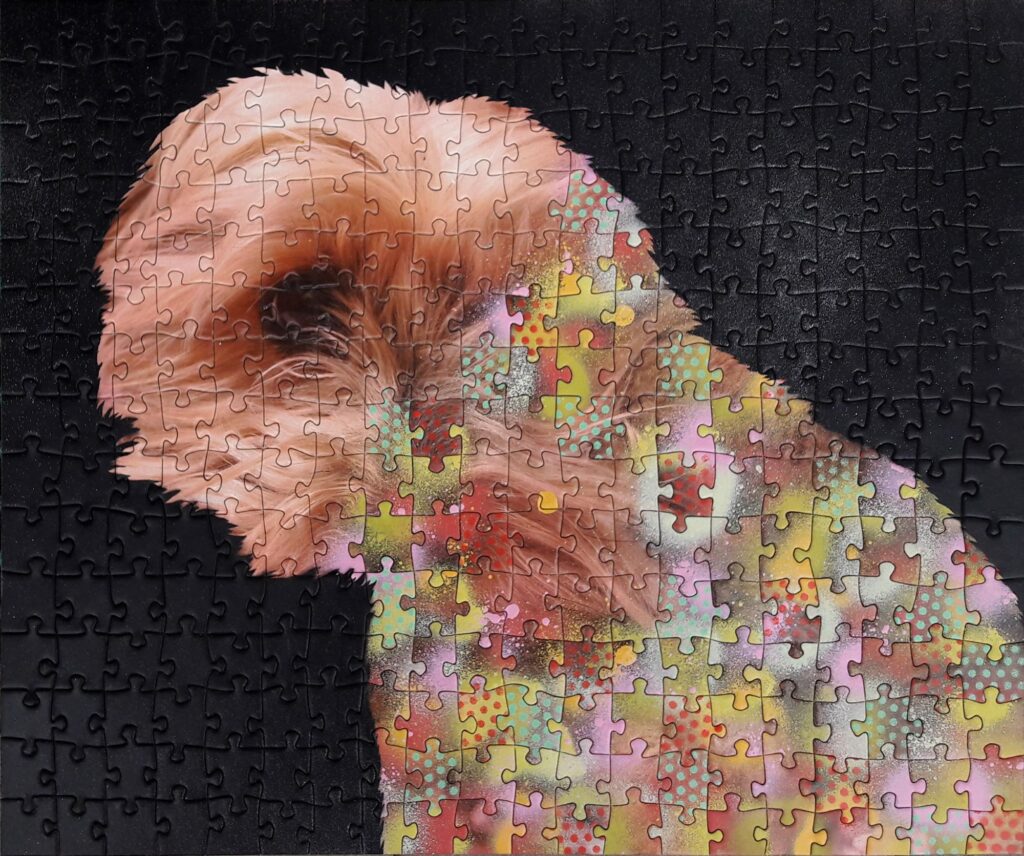
Tervetuloa näyttelyn avajaisiin to 2.4. klo 18-19.30
Taiteilija tavattavissa su 26.4. klo 15-17
Jenni Yppärilän näyttely tarkastelee katoavaisuutta ja ulkopuolisuuden kokemusta. Hiiltyneet nimi viittaa niin konkreettiseen tuhoon kuin mielensisäiseen tuohtumukseen.
“Teoksissa lähestyn aihetta kuolevien maaseutupaikkojen ja häviävien rakennusten kautta, pohtien ajankuvaa, jossa tietyt alueet ja toiminnat eivät pysy mukana muuttuvassa yhteiskunnassa.”
Tyhjilleen jääneet rakennukset ovat murroksen merkkejä, jotka seisovat historian ja tulevaisuuden välillä. Teokset heijastavat kokemuksia ja ilmiöitä, joissa kuuluvuuden tunne ympäröivään maailmaa on horjunut.
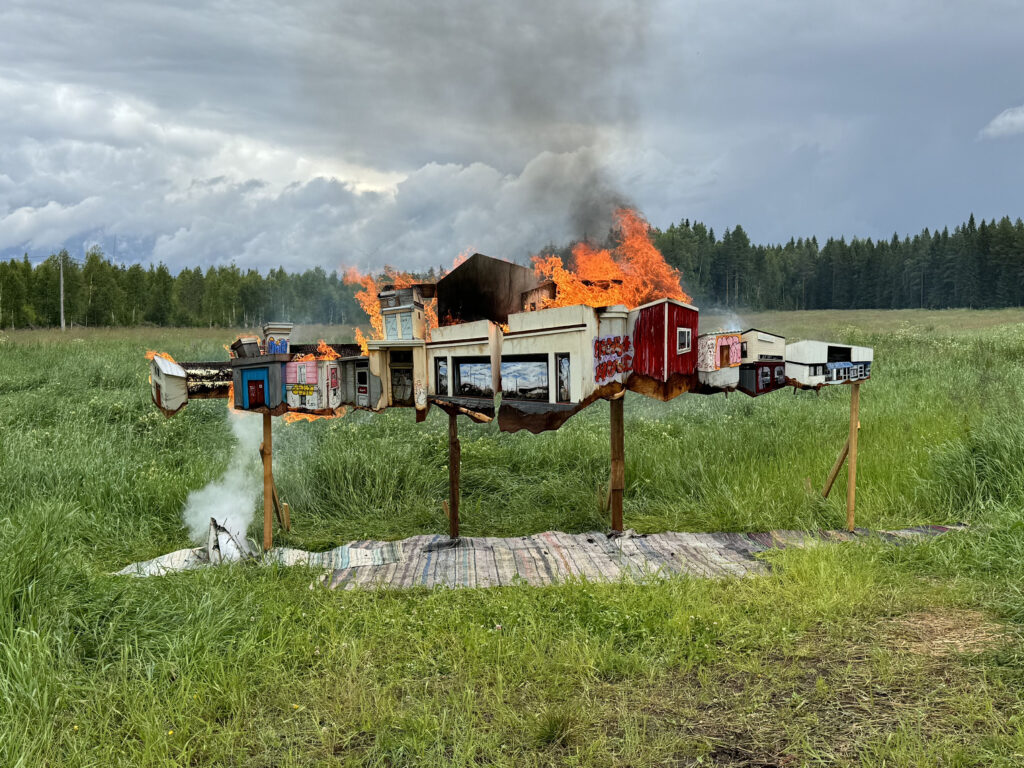
Näyttelyssä nähdään ensi kertaa videoteos Poltto, joka dokumentoi Yppärilän uran suurimman teoksen tuhoamisen hänen lapsuudenmaisemissaan. Teoksen tuhoaminen toimi protestina vuonna 2024 alkaneille kulttuurileikkauksille. Video ilmentää samalla hienovaraisesti pohjois-pohjanmaalaista mielenmaisemaa ja perhesuhteita. Yhdessä tekeminen ja satunnaiset lauseet paljastavat siteitä ja etäisyyksiä, joita ihmisillä ja ympäröivällä maailmalla on keskenään.
Kokonaisuus peilaa laajempia yhteiskunnallisia ilmiöitä maaseudun tyhjentymisestä yhteyden kaipuuseen ja taiteen merkityksen pohdintaan. Vakavista aiheista huolimatta kokonaisuus pyrkii herättelemään lempeyttä ja myötätuntoa.
Jenni Yppärilä on Helsingissä työskentelevä kuvataiteilija, joka on tunnettu rakennuksia kuvaavista kolmiulotteisista maalauksista. Hän on vuodesta 2012 dokumentoinut havaintojaan rakennetusta ympäristöstä Suomessa ja ulkomailla. Yppärilän kiinnostus rakennuksiin on ensisijaisesti sosiologinen. Rakennukset ilmentävät paikan menneisyyttä ja nykyisyyttä, yhteiskunnan arvojen muutosta sekä yksilön sosiaalista ympäristöä. Yppärilän teoksia on mm. Kiasman, Tampereen Taidemuseon ja Turun Taidemuseon kokoelmissa sekä julkisia taideteoksia Porissa, Tampereella ja Kangasalalla.
Jenni Yppärilä – Charred
4.-26.4.2026
Welcometo the opening Thu 5.3. 6pm-7.30pm!
Welcometo meet the artist at sun 26.4. 3pm-5pm
The Charred exhibition examines transience and the experience of alienation. The title refers to concrete destruction and mental resentment.
“In the works, I approach the subject through dying rural places and disappearing buildings, reflecting on a time where certain areas and activities do not keep up with a changing society.”
The buildings that have been left empty are signs of a transition that stand between history and the future. The works reflect experiences and phenomena in which the sense of belonging to the surrounding world has been shaken.
The exhibition presents for the first time the video work Poltto (Burning), which documents destruction of the largest artwork of Yppärilä’s career in the landscapes of her childhood. The act of burning functioned as a protest against the cultural funding cuts that began in 2024. At the same time, the video subtly conveys the mental landscape of Northern Ostrobothnia and family relationships. Working together and fragments of spoken sentences reveal the bonds and distances that people and the surrounding world have with each other.
The exhibition reflects broader social phenomena, from rural depopulation to the longing for connection and reflection on the meaning of art. Despite the serious topics, the overall tone seeks to evoke gentleness and compassion.
Jenni Yppärilä is a Helsinki-based visual artist best known for her three-dimensional paintings depicting buildings. Since 2012, she has documented her observations of the built environment in Finland and abroad. Yppärilä’s interest in buildings is primarily sociological. Buildings express the past and present of a place, the change in values of society and the social environment of the individual. Yppärilä’s works are included in several collections, including Kiasma, Tampere Art Museum, and Turku Art Museum, and she has created public artworks in Pori, Tampere, and Kangasala.
Galleria Ars Libera Maaherrankatu 9, Kuopio Ke-Pe 14-18, La-Su 12-17, Vapaa Pääsy! Wed-Fri 14-18, Sat-Sun 12-17, Free Entry!
Tervetuloa näyttelyn avajaisiin to 5.3. klo 18-19.30 Taiteilija tavattavissa la 14.3 klo 15-17
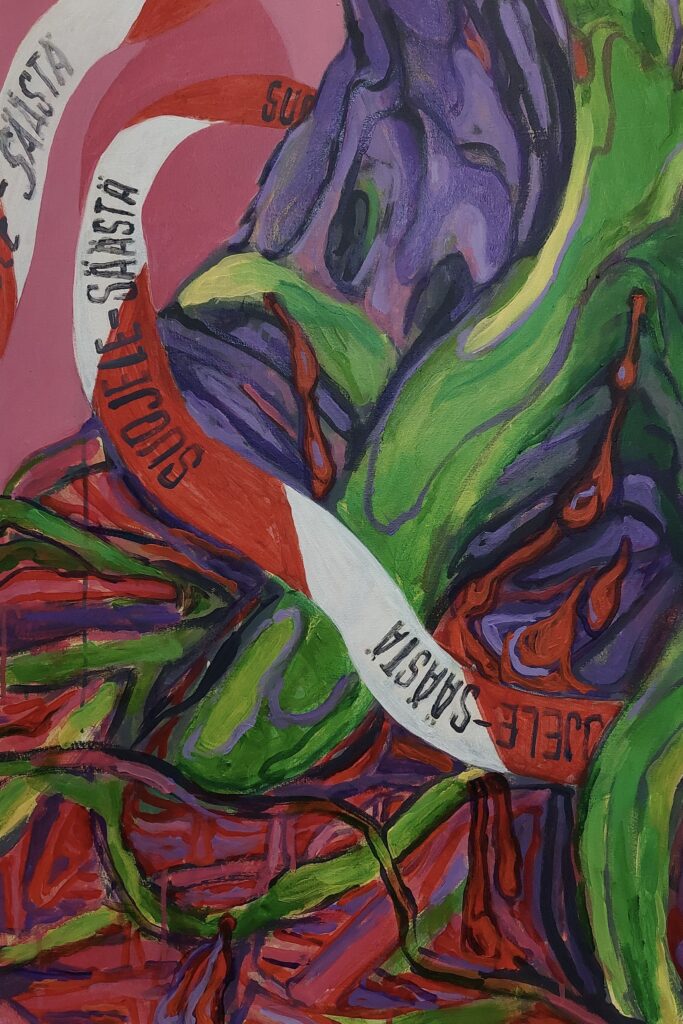
Näyttelyn teokset kertovat elämästä, sen huolehtimisesta, pelastamisesta ja säästämisestä. Elämän taittuessa, asiat näyttäytyvät hieman toisin.
Jos olisin puu, olisin kanto. Olisin kantovesa. Olisin vartettu mänty. Olisin parannettu ja poikkeava yksilö. Jos olisin puu, kietoisin ympärilleni suojelevaa nauhaa, pitäisin juurillani tiukasti kiinni ja nauttisin auringosta virtaa. Jos olisin puu, olisin myrskyn vinoon puhaltama pihapuu. Olisin kaatuessani vaikuttava, rysähtäisin maahan sitä vavahduttaen ja vyöryttäisin pölypilven matkaan. Jos olisin puu.
Riikka Viinikanoja (s.1973) on kuopiolainen kuvataiteilija. Hänen teoksensa valmistuvat akryyli-, vesi- ja öljyvärein, sekä lyijykynällä piirtäen. Värien voima on tärkeä elementti hänen teoksissaan. Teemat löytyvät jokapäiväisestä elämästä, sen suurista ja pienistä tapahtumista, tunteista sekä havainnoista. Viinikanojan kuvataiteilijuuteen kuuluu oman taiteen tekemisen ja näyttelytoiminnan lisäksi kuvataiteen opetustyöt sekä sanataiteen monitaiteinen taidekasvatustyö.
Viinikanojan teoksia on esillä myös Kuopion valtuustotalon aulagalleriassa 17.- 31.3. Valtuustotalo, Suokatu 42, 70111 Kuopio Avoinna: ma klo 8-16, ti-to klo 8-15.30, pe klo 8–14
Welcome to the opening Thu 5.3. 6pm-7.30pm! Welcome to meet the artist at Sat 14.3. 3pm-5pm
The works in the exhibition tell the story of life, caring for it, saving it and saving it. When life takes a turn, things appear a little different.
If I were a tree, I would be a stump I would be a sapling I would be a grafted pine, a healed and different individual If I were a tree, I would wrap a protective ribbon around myself, hold on tightly to my roots and enjoy the sun’s power. If I were a tree, I would be a yard tree blown sideways by a storm. When I would fall, I would be impressive, I would crash to the ground, shaking it and sending a cloud of dust rolling away. If I were a tree.
Riikka Viinikanoja (b.1973) is a visual artist from Kuopio. Her works are made with acrylic, watercolor and oil paints, as well as pencil drawings. The power of colors is an important element in her works. The themes can be found in everyday life, its large and small events, feelings and observations. In addition to making her own art and exhibiting, Viinikanoja’s visual art work includes teaching visual arts and word arts.
Viinikanoja’s works will also be on display in the lobby gallery of Council Office Building of Kuopio 17.-31. March Valtuustotalo, Suokatu 42, 70111 Kuopio Mon 8-16, Tue-Thu klo 8-15.30, Fri klo 8–14
Galleria Ars Libera Maaherrankatu 9, Kuopio Ke-Pe 14-18, La-Su 12-17, Vapaa Pääsy! Wed-Fri 14-18, Sat-Sun 12-17, Free Entry!
6.2.-1.3.2026 | Galleria Ars Libera, Maaherrankatu 9,Kuopio
ke-pe 14-18, la-su 12-17 vapaa pääsy, tervetuloa!
Tervetuloa näyttelyn avajaisiin to 5.2. klo 18-19.30
Taiteilija tavattavissa su 1.3. klo 15-17
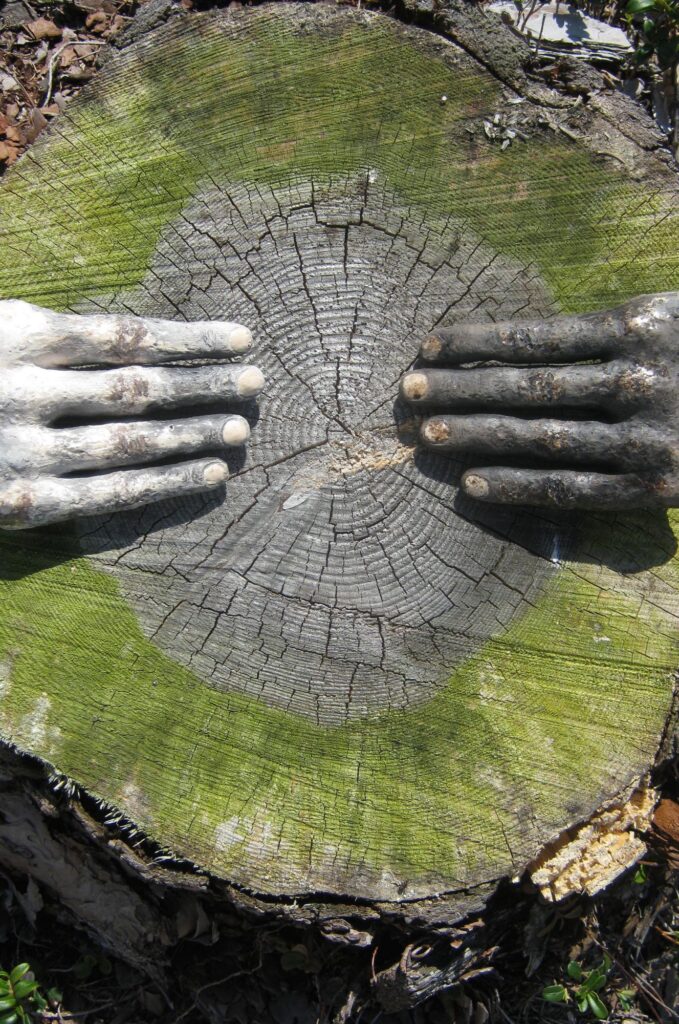
Laulava maa- näyttelyn teoskokonaisuuteen Jonna Salonen on veistänyt ja rakentanut teoksia, jotka pohjautuvat hänen oman elämänmittaiseen luontosuhteeseensa ja huoleensa luonnon hiipuvasta häviämisestä. Veistämällä Salonen koettaa tavoitella luonnon olemassaoloa ja sitä kautta ihmisyyden ymmärtämistä, sekä ilmaista luonnon merkitystä ihmisyydessämme. Yksinkertaiset käsillä tekemisen työvälineet ja luonnonmateriaalit innostavat ja kiinnostavat Salosta veistosten rakentamisessa. Näyttelyssä olevat teokset on veistetty pääosin puusta sekä lampaanvillasta, raku-keramiikasta ja kierrätetyistä materiaaleista.
Jonna Salonen on kuvataiteilija joka asuu, veistää ja rakentaa teoksia Pohjois-Karjalassa. Hän raportoi pienillä yksityiskohtaisilla teoksilla luonnon arvosta, rikkaudesta ja merkityksestä ihmisyydessä. Teoksilla on ekologinen ajattelun perusta ja taiteellinen työskentely pohjautuu luonnon olemassa olosta ja mm. elämästä kuten palokärjen huudosta, ilveksen jälkien seuraamisesta, lumihangessa makaamisesta, hömötiaisten äänistä, rupisammakon kävelystä tai metsähakkuiden hiljaisista auringonlaskuista.
Näyttelyä on tukenut Suomen Kulttuurirahasto, Pohjois-Karjalan rahasto.
Jonna Salonen – Singing Land
6.2.-1.3.2026 | Galleria Ars Libera, Maaherrankatu 9, Kuopio
wed-fri 14-18, sat-sun 12-17 Free Entry, Welcome!
Welcome to the opening Thu 5.2.. 6pm-7.30pm!
Welcome to meet the artist at Sun 1.3. 3pm-5pm
In the collection of works of the Singing Land exhibition, Jonna Salonen have carved and built works that are based on her own life-long relationship with nature and concern about the fading away of nature. By sculpting, she try to aim for the existence of nature and through it the understanding of humanity, as well as to express the importance of nature in our humanity. Simple handmade tools and natural materials inspire and interest Salonen in building sculptures. The works in the exhibition are mainly carved from wood, sheep’s wool, raku ceramics and recycled materials.
Jonna Salonen is a visual artist who lives, sculpts and builds works in North Karelia. She reports on the value, richness and significance of nature in humanity with small, detailed works. The works have an ecological basis for thinking and artistic work is based on the existence of nature and, among other things, life, such as the cry of a black woodpecker, following the tracks of a lynx, lying in a snowdrift, the sounds of willow tit, the walk of a toad or the quiet sunsets of forest clear-cut.
The exhibition has been supported by the Finnish Cultural Foundation, North Karelia Fund.
Tervetuloa näyttelyn avajaisiin to 8.1. klo 18-20!
Taiteilija tavattavissa su 1.2. klo 15-17.
Anima(l) encounters
On asioita, joita on vaikea uskoa. Vielä 1850 tienoilla tiedemaailman oli vaikea uskoa, että jonkin lajin katoaminen voisi johtua ihmisen toiminnasta. 2025 on vaikea uskoa, että nykyinen hallitus sallii turkistarhauksen jatkuvan ja tukee sitä kymmenillä miljoonilla. Jos minulle olisi etukäteen kerrottu, että jalkojeni juuressa vääntelehtivä surkea kymmensenttinen mytty tulee synnyttämään tsunamin kauhua ja horjuttamaan maailmani perustuksia, olisi sitäkin ollut vaikea uskoa. Näyttely käsittelee näitä asioita tuntemattomuudesta käsin ja kohtaamiseen liittyvien ajatusten keinoin.
Teoksissa esiintyvät olennot eivät taivu tunnistamiseen, tieto tai äly ei läpivalaise niitä. Niissä on tuttua ja vierasta, kuten meissä asuvissa esi-isissä, ”eläinolioissa”, joista emme yhtäältä pääse eroon ja joihin emme toisaalta enää löydä reittiä. Tuntemattomina, kieltä ja nimiä paetessaan, näitä olentoja voi katsoa Maurice Merleau-Pontyn sanoin”paluuna olioihin sinänsä, eli maailmaan, joka on olemassa ennen tietoa”.
Meille näkökeskeisille katse on selkein tapa havaita toinen tietoisuus. Muotokuvien eläinoletetut olennot katsovat takaisin, joten niiden kanssa voi harjoitella kohtaamista. Pohjustukseksi siihen tämä Yuriko Saiton ajatus: ”Perimmäinen, moraalisestikin tärkeä edellytys minkä hyvänsä kohteen tajuamiseksi oikeudenmukaisella tavalla, toisin sanoen sen omin ehdoin, on tunnistaa tarina, jonka toinen meille kertoo, ja kuunnella sitä myötäeläen, vaikka se olisi meistä hyvinkin outo.”
Olentojen kirjo ja kovin erilaiset tavat olla maailmassa takaavat tarinoiden moninaisuuden. Saito korostaa herkkyyttä, kärsivällisyyttä ja asettumista toisen asemaan mielikuvituksen keinoin niiden kuulemiseksi. Sen ohella outouden voi kohdata yhtäläisyyksien kautta. Minä ja kaikki muut elävät, tarvitsemme elinkelpoisen ympäristön, puhdasta ravintoa, vettä ja suojaa. Toivomme ja tavoitteemme on kasvu ja kehitys, vuorovaikutus, turva sekä kivun ja tarpeettomien konfliktien välttäminen. Miten nämä samankaltaisuudet tai Saiton ajatus istuvat ihmislajin planetaariseen valta-asemaan? Minkälaisia ovat ne ideat, rakenteet, järjestelmät tai toimiemme lukemattomat sivuvaikutukset, joissa muunlajiset joutuvat kohtaamaan meidät? Miltä ne tuntuvat? Mikä on tarina, jota me kerromme ja miten oudolta se kuulostaa?
Lainaan vastauksen Doris Lessingltä:”Ihmisiä ovat aina tarkkailleet luontokappaleet, joiden havainnot ja ymmärrys maailmasta ovat olleet suuresti edellä siitä, mitä me olemme kyenneet hyväksymään tai kieltäytyneet havaitsemaan turhamaisuutemme sekä itserakkautemme takia. Jos pystyisimme käsittämään kaiken älykkyyden, tunteet ja kyvyt, jotka olemme kulkiessamme talloneet, syöksyisimme hulluuteen. Se olisi äärimmäinen nöyryytys; häpeä, johon kuollaan.” Käärimme oman tarinamme sivistykseen, katsomatta varjoihin, joita se langettaa muiden ylle.
Suren ahneuden, julmuuden ja välinpitämättömyden takia kärsiviä. Muistan kadonneita ja huudan niiden puolesta, jotka ovat katoamisen uhkaamia. Iloitsen ajatuksesta möyriä evoluution portaita alaspäin ja sulautua yhä useampaan sukulaiseeni. Muistutan, että mahdollisuudet kohdata ja rakentaa uudenlaisia eheämpiä ja huomioonottavampia yhteyksiä luontoon ja ympäristöön eivät sijaitse täällä, vaan ulkomaailmassa, oikeiden elävien parissa. Kiitän Taiteen edistämiskeskusta työskentelyni tukemisesta.
Hans-Peter Schütt on Tampereella ja Turussa työskentelevä monialainen kuvataiteilija, jonka ilmaisukeinot määrittyvät projektikohtaisesti teosten sisällön, toteutusmahdollisuuksien ja -vaatimusten sekä esityspaikan mukaan. Schüttin taide keskittyy ympäristökysymyksiin aiheenaan eläin-, maisema-, kulutustottumus- ja resurssikysymykset. Schütt käyttää teoksissaan usein kierrätettyjä tai ylijäämämateriaaleja. Hänen teoksiaan on mm. Jenny ja Antti Wihurin säätiön sekä Helsingin taidemuseon kokoelmissa, ja julkista taidetta mm. Turussa, Keravalla ja Keuruulla.
Hans-Peter Schütt – Anima(l) encounters
9.1.-1.2.2026 | Gallery Ars Libera
wed-fri 14-18, sat-sun 12-17 Free Entry, Welcome!
Welcome to the exhibition opening on Thu 8th January at 6 pm!
Meet the Artist on Sun 1st February from 3 to 5 pm.
Anima(l) encounters
There are things that are hard to believe. As recently as 1850, the scientific world found it hard to believe that the disappearance of a species could be caused by human activity. In 2025 it is hard to believe that the current government allows fur farming to continue and supports it with tens of millions. If I had been told in advance that the miserable ten-cent lump writhing at my feet would create tsunami-sized terror and shake the foundations of my world, it would have been hard to believe. The exhibition deals with these issues with ideas of the unknown and encountering.
The creatures in the works do not lend themselves to recognition, knowledge or intelligence do not illuminate them. They contain the familiar and the strange like the ”animal” ancestors living within us. The one which we cannot on the one hand get rid of and to which we cannot on the other hand return to. While escaping language and names, these unknown beings can be seen, in the words of Maurice Merleau-Ponty, as “a return to things in themselves, that is, to a world that exists before knowledge”.
For us, who are focused on sight, the gaze is the clearest way to perceive another consciousness. The supposed animal beings in the portraits look back and that quality allows us to practice the idea of encountering. For assistance, here is Yuriko Saito’s thought: “The ultimate, morally important condition for perceiving any object in a fair way, in other words on its own terms, is to recognize the story that another tells us, and to listen to it with empathy, even if it is very strange to us.”
The range of beings and the very different ways of being in the world guarantee the diversity of the stories. Saito emphasizes sensitivity, patience and imagining oneself in the place of the other in order to hear them. Strangeness can also be encountered by focusing rather on similarities than differences. I and all other living things need a livable environment, clean food, water and shelter. Common hopes and goals are growth and development, interaction, security and the avoidance of pain and unnecessary conflict.
How do these similarities or Saito’s idea fit into the role of humans as planetary dominants? What are the ideas, structures, systems or countless side effects of our actions in which other species meet us? What do they feel like? What is our story, the one we tell to others and how strange does it sound?
I quote the answer from Doris Lessing: “Humans have always been watched by creatures whose observations and understanding of the world have been far ahead of what we have been able to accept or refused to perceive because of our vanity and our self-love. If we could comprehend all the intelligence, emotions and abilities that we have trampled on in our path, we would plunge into madness. That would be the ultimate humiliation; a shame that one dies of.” We wrap our own story in civilization, ignoring the shadows it casts over others.
I mourn those who suffer because of greed, cruelty, and indifference. I remember the ones who are already gone and cry out for those who are threatened with extinction. I rejoice in the thought of tumbling down the evolutionary ladder and merging with more and more of my relatives. I would like to remind that the opportunities to encounter and build new, more wholesome and considerate connections to nature and the environment do not lie here, but in the outside world, among real living beings. I thank the Arts Promotion Centre Finland for supporting my work.
Hans-Peter Schütt is a multidisciplinary visual artist working in Tampere and Turku. His means of expression are determined by the content of the works, the possibilities and requirements for implementation and the place where the final piece is placed. His art focuses on environmental issues with subjects such as animals, landscapes, habits of consumption and questions of resources. Among others, his works are included in the collections of Jenny and Antti Wihuri Foundation and Helsinki Art Museum and he have made public art in Turku, Kerava, and Keuruu.